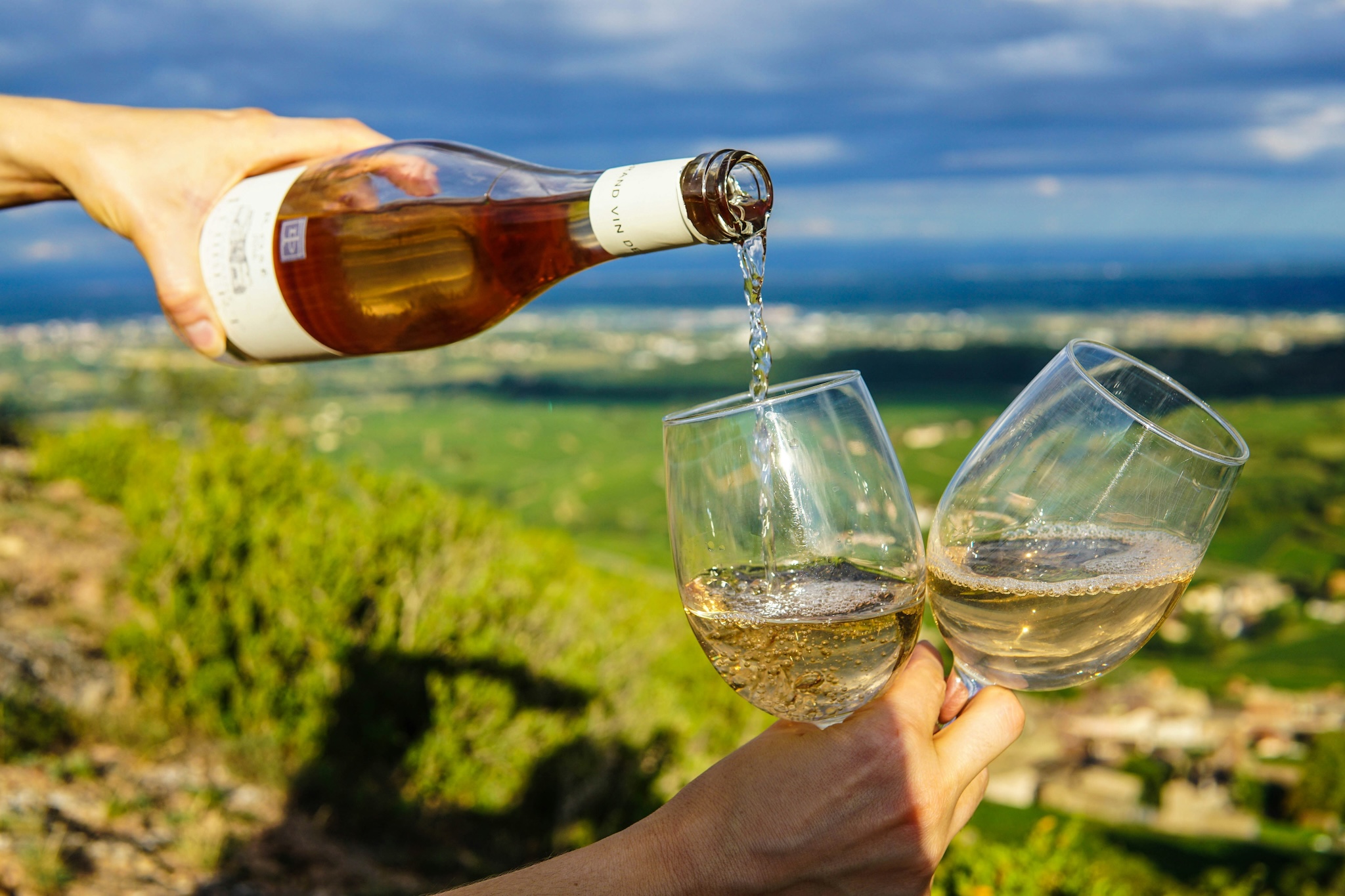
What Is Wine? A Beginner's Introduction
Wine is one of the world's oldest and most celebrated beverages. For thousands of years, people across different cultures have enjoyed wine during meals, celebr
Wine is one of the world's oldest and most celebrated beverages. For thousands of years, people across different cultures have enjoyed wine during meals, celebrations, religious ceremonies, and social gatherings.
What Is Wine? A Beginner's Introduction
Wine is one of the world's oldest and most celebrated beverages. For thousands of years, people across different cultures have enjoyed wine during meals, celebrations, religious ceremonies, and social gatherings.
At its simplest, wine is an alcoholic beverage made by fermenting grapes. During fermentation, natural sugars present in grapes are converted into alcohol by yeast. This natural process creates the distinctive flavors, aromas, and character that make wine unique.
Why Grapes?
While many fruits can be fermented, grapes are uniquely suited for winemaking. Grapes contain the right balance of sugar, acidity, tannins, and flavor compounds required to produce a stable and enjoyable wine.
The quality of wine is heavily influenced by the grape variety, climate, soil conditions, and vineyard practices.
The Basic Winemaking Process
The journey from grape to glass follows a simple but carefully managed process:
- 1Grapes are harvested from vineyards.
- 2The grapes are crushed to release their juice.
- 3Yeast converts grape sugars into alcohol.
- 4The wine is aged and refined.
- 5The finished wine is bottled and prepared for consumption.
Each stage influences the final taste and character of the wine.
Types of Wine
The most common wine categories include:
Red Wine
Produced using dark-colored grape varieties and fermented with grape skins, which provide color and tannins.
White Wine
Usually made from green or yellow grapes and fermented without extended skin contact.
Rosé Wine
Produced by allowing limited contact between grape skins and juice, creating its distinctive pink color.
Sparkling Wine
Contains natural or added carbonation, producing bubbles and a refreshing character.
Wine is produced in many regions across the world, including France, Italy, Spain, Australia, South Africa, the United States, and India.
In India, Nashik has emerged as the country's leading wine-producing region due to its favorable climate and growing expertise in viticulture and winemaking.
Conclusion
Wine is far more than an alcoholic beverage. It represents agriculture, craftsmanship, tradition, and culture. Understanding the basics of wine is the first step toward appreciating the incredible diversity of styles, flavors, and stories found in every bottle.
In upcoming articles, we will explore how wine is made, the grapes behind great wines, and why Nashik has become the heart of India's wine industry.
Reader Discussion
Conversations around wine are often as enjoyable as the wine itself.
Join the Conversation
Sign in to share your thoughts, ask questions, and participate in discussions with other wine lovers.